stomaselli

Come on in

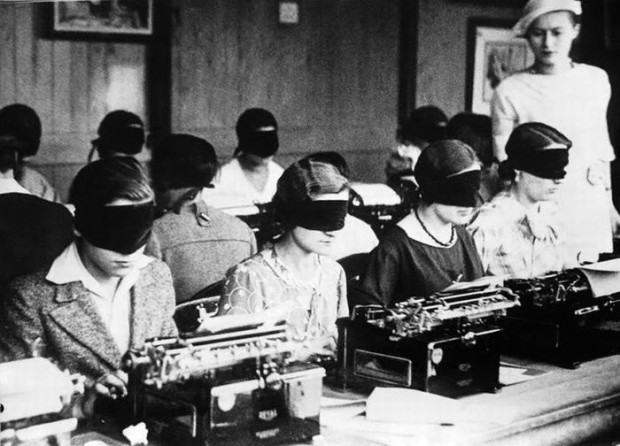
BlindReaders

“To write is to write is to write is to write is to write is to write is to write is to write.”

If you don’t follow us on Twitter or Facebook, you may have missed our announcement that we’ve opened submissions for issue two. The guidelines are here. To summarise: we’re looking for your best work, for writing that resists definition for stories and poems that strain against classification. We’re not looking for book reviews per se (we do consider them for our online arm) but we will consider essays related to books. We’re also looking for interview proposals: we’re open to suggestions, though we do have a list of people we’d love to talk to, but don’t have the time ourselves. And we’re especially looking for submissions from women; we don’t get enough, frankly.

Language drug

MarcusSea

Ben Marcus in The Rumpus:

Sometimes I worry, for myself, that I’ve stopped being amazed at certain things, or I’ve taken for granted a set of ideas about how the world works, what people are doing with each other or alone, all the fundamental relationships in the world. I worry that I start taking it for granted and stop feeling the intensity of it because of language. Language starts to shut down the strength and power and strangeness of what it means to be a person in the world.

Ah Burroughs is here

WilliamBurroughs

In The Quietus, Darran Anderson on William Burroughs’ centenary.

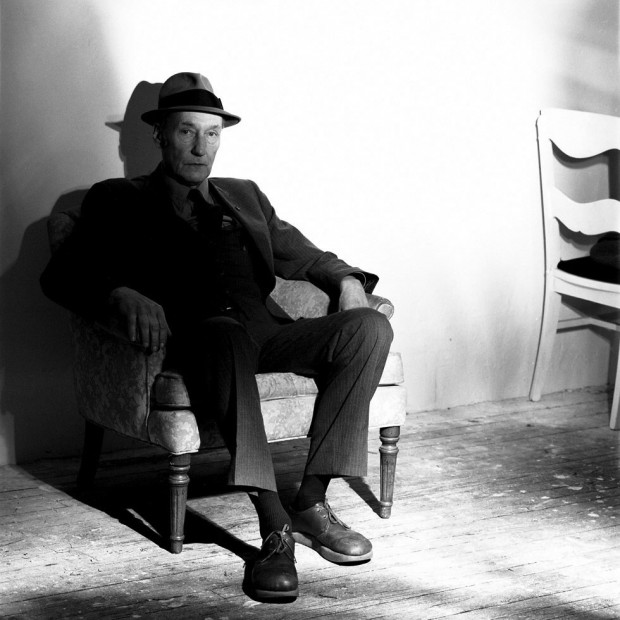
William S. Burroughs was a high modernist and a writer of complete trash; the two are by no means mutually exclusive. He was a genius and a bullshit artist. If his books prove anything, it’s that profundity and inanity can skip along merrily arm in arm. Sometimes his work was heavyweight, sometimes dumb. To borrow a Freudian analogy, sometimes a cigar really is just a cigar and sometimes a man who taught his asshole to talk really is just a man who taught his asshole how to talk (what it’s saying and why is a different story). The paradox of the freest writer being a lifelong junky is really no paradox at all. As a user and pedlar, he understood the mechanics of how it all worked and kindly pointed it out to us, even as he was picking our pockets. He was a stiff morose patrician figure in a suit (so much so his friend Herbert Huncke initially took him for an undercover agent) with books and a history full of debauchery and depravity. If there seems a contradiction there, it’s in the eye of the beholder. What makes Burroughs’ work seem prophetic is that he was perceptive enough to see that people don’t change, the secret to all successful prophecies. We’re still continually re-enacting Greek myths on a daily basis and always will. Psychosis may mirror the zeitgeist (whether it’s paranoia of witches, Jews, communists, drug fiends, Islamists or whoever next) but its essential character doesn’t alter. The bugs and the feds are always with us and there’s only so much one man can do, calling door to door with an extermination kit.

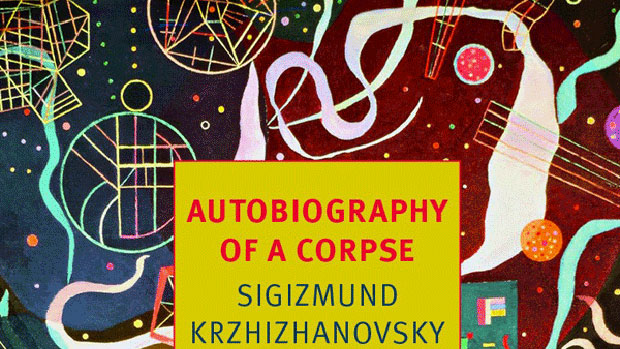
Autobiography of a Corpse

autobiographyofacorpse

By Brendan Byrne.

The opening and titular story of the NYRB’s second collection of Sigizmund Krzhizhanovsky’s short fiction Autobiography of Corpse features a typical (for the time) protagonist, a journalist from the provinces with a typical (for the time) quest, the search for a room in newly Soviet Moscow which is accomplished in a deeply atypical (for any time) manner. Housing is a theme which crops up repeatedly in Russian fiction from the 1920s, most notably in Zamyatin’s story ‘The Cave’ and Serge’s novel City Under Siege. What makes Krzhizhanovsky’s fiction stand out is not its unacceptability to the Soviet state’s nascent notions of socialist realism (both Zamyatin, Serge, and host of other writers were censored, exiled, ignored, and/or shot) but its combination of post-Gogolian fantastical grotesque and perverse Cartesian metaphysics with explicit Kantian overtones. Krzhizhanovsky isn’t just weird for Moscow in 1925, he’s weird for anywhere and everytime.